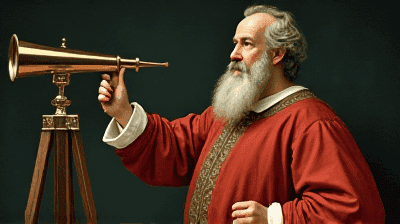
The dawn of the 17th century marked a pivotal moment in human history—the emergence of the Scientific Revolution. This transformative period reshaped humanity's understanding of the cosmos, laying the groundwork for modern science.
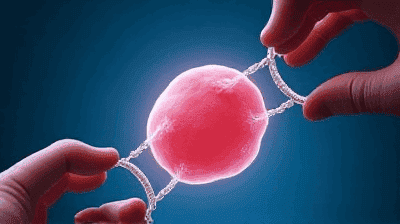
The advent of CRISPR technology has sparked a paradigm shift in the field of genetics and biotechnology, opening up unprecedented possibilities for gene editing and manipulation. While CRISPR holds the promise of curing genetic diseases and advancing medical science, it also poses profound ethical questions, particularly when it comes to editing human embryos.
The Library of Alexandria, located in the ancient city of Alexandria, Egypt, has long been regarded as one of the most significant centers of knowledge in the ancient world. Founded in the early 3rd century BCE under the Ptolemies, the library aimed to collect all the world's knowledge and serve as a beacon of learning for scholars from various cultures.
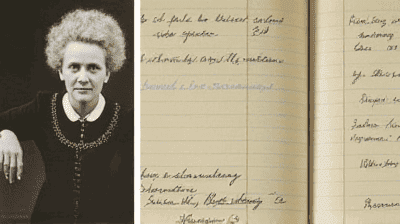
Marie Curie is often celebrated as one of the most notable scientific pioneers of the 20th century. Best known for her groundbreaking research on radioactivity—a term she coined—Curie's work laid the foundation for advancements that would transform medicine, energy production, and our understanding of atomic science.
In the realm of scientific inquiry, the principles that govern our understanding of the universe are continually challenged and refined. Among these principles is Occam's Razor, a philosophical axiom attributed to the 14th-century logician and Franciscan friar William of Ockham.